
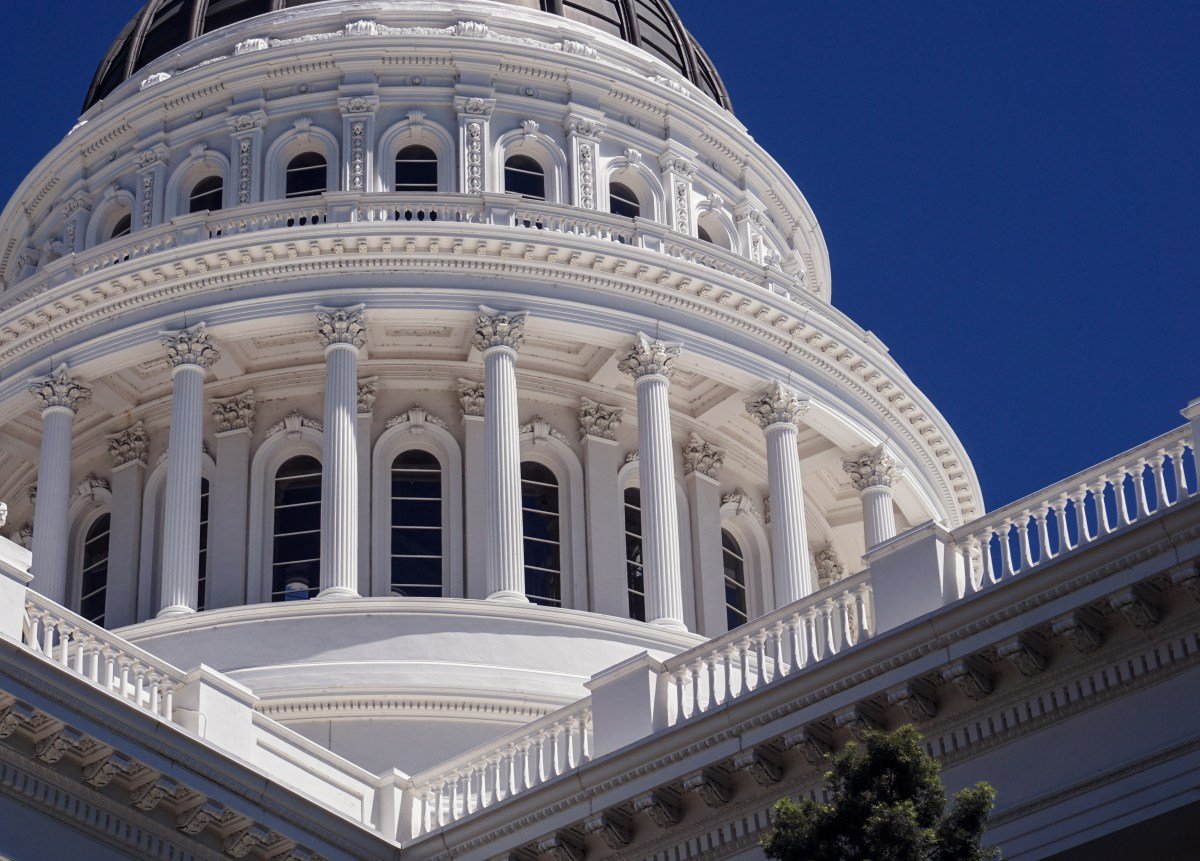
California’s state senate just lately gave remaining approval to a brand new AI security invoice, SB 53, sending it to Governor Gavin Newsom to both signal or veto.
If this all sounds acquainted, that’s as a result of Newsom vetoed another AI safety bill, additionally written by state senator Scott Wiener, final 12 months. However SB 53 is narrower than Wiener’s earlier SB 1047, with a deal with massive AI corporations making greater than $500 million in annual income.
I acquired the possibility to debate SB 53 with my colleagues Max Zeff and Kirsten Korosec on the newest episode of TechCrunch’s flagship podcast Equity. Max believes that Wiener’s new invoice has a greater shot of turning into legislation, partly due to that massive firm focus, and since it’s been endorsed by AI company Anthropic.
Learn a preview of our dialog about AI security and state-level laws under. (I’ve edited the transcript for size and readability, and to make us sound barely smarter.)
Max: Why do you have to care about AI security laws that’s passing a chamber in California? We’re coming into this period the place AI corporations have gotten probably the most highly effective corporations on the earth, and that is going to be probably one of many few checks on their energy.
That is a lot narrower than SB 1047, which acquired a number of pushback final 12 months. However I believe SB 53 nonetheless places some significant rules on the AI labs. It makes them publish security experiences for his or her fashions. If they’ve an incident, it mainly forces them to report that to the federal government. And it additionally, for workers at these labs, if they’ve issues, provides them a channel to report that to the federal government and never face pushback from the businesses, regardless that a number of them have signed NDAs.
To me, this appears like a probably significant examine on tech corporations’ energy, one thing we haven’t actually had for the final couple of a long time.
Techcrunch occasion
San Francisco
|
October 27-29, 2025
Kirsten: To your level about why it issues on the state degree, it’s necessary to consider the truth that it’s California. Each main AI firm is just about, if not based mostly right here, it has a significant footprint on this state. Not that different states don’t matter — I don’t need to be getting emails from the parents in Colorado or no matter — nevertheless it does matter that it’s particularly California as a result of it’s actually a hub of AI exercise.
My query for you, although, Max, is it simply looks like there’s a number of exceptions and carve-outs. It’s narrower, however is it extra sophisticated than the earlier [bill]?
Max: In some methods, sure. I’d say the principle carve-out of this invoice is that it actually tries to not apply to small startups. And mainly, one of many essential controversies across the final legislative effort from Senator Scott Weiner, who represents San Francisco, who authored this invoice, lots of people stated it may hurt the startup ecosystem, which lots of people take challenge with as a result of that’s such a booming a part of California’s financial system proper now.
This invoice particularly applies to AI builders which can be [generating] greater than $500 million [from] their AI fashions. This actually tries to focus on OpenAI, Google DeepMind, these massive corporations and never your run-of-the-mill startup.
Anthony: As I perceive it, for those who’re a smaller startup, you do need to share some security info, however not almost as a lot.
It’s [also] price speaking in regards to the broader panorama round AI regulation and the truth that one of many massive modifications between final 12 months and this 12 months is now we have now a brand new president. The federal administration has taken way more of a stance of no regulation and corporations ought to have the ability to do what they need, to the extent that they’ve truly included [language] in funding payments saying states cannot have their own AI regulation.
I don’t suppose any of that has handed to date, however probably they might attempt to get that by sooner or later. So this may very well be one other entrance by which the Trump administration and blue states are combating.
Fairness is TechCrunch’s flagship podcast, produced by Theresa Loconsolo, and posts each Wednesday and Friday.
Subscribe to us on Apple Podcasts, Overcast, Spotify, and all of the casts. You can also comply with Fairness on X and Threads, at @EquityPod.
Trending Merchandise







![Rustic Grey Mason Jar Sconces for Home Decor, Decorative Chic Hanging Wall Decor Mason Jars with LED Strip Lights, 6-Hour Timer, Silk Hydrangea, & Iron Hooks for Home & Kitchen Decorations [Set of 2]](https://m.media-amazon.com/images/I/41DPf4UgGOL._SS300_.jpg)
