
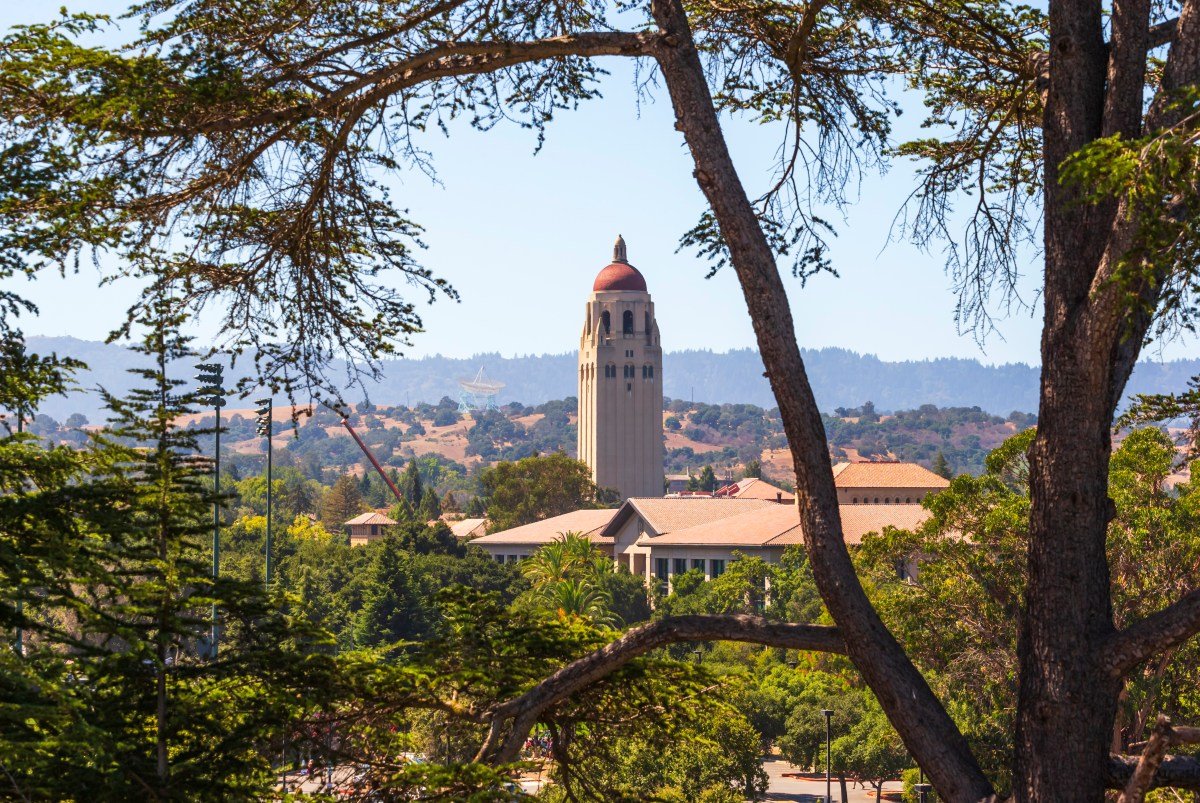
Stanford College has confirmed its admissions insurance policies for fall 2026 will proceed contemplating legacy standing, a call that might affect entry to one in every of Silicon Valley’s most vital expertise pipelines. Stanford can also be ending its test-optional coverage, requiring SAT or ACT scores for the primary time since 2021.
According to the Stanford Daily, the college is so dedicated to conserving legacy preferences that it’s withdrawing from California’s Cal Grant program, forgoing state monetary assist slightly than adjust to laws signed by California Governor Gavin Newsom final fall — Assembly Bill 1780 — which bans legacy admissions. The college guarantees to interchange that funding with its personal cash.
This issues far past Palo Alto. Stanford has been the launching pad for numerous tech leaders, from the founders of Google, Nvidia, Snap, and Netflix to different famend CEOs and VCs. With legacy admissions intact, youngsters of Silicon Valley’s elite arguably preserve a bonus in accessing the community that has powered quite a few tech booms.
The return of take a look at necessities provides one other wrinkle, probably favoring college students with sources for take a look at prep. Whereas supporters imagine it maintains tutorial requirements, critics argue that for an business constructed on meritocracy rhetoric, Stanford’s choices signify a step within the flawed route — reinstating standardized limitations and perpetuating inequality.
Stanford final 12 months introduced its resolution to reverse its 2021 resolution to take away standardized testing as an software requirement. That the college will proceed to think about legacy standing was revealed this previous week in newly launched admissions standards.
The insurance policies tackle added significance given universities’ monetary dependence on alumni help. Alumni donations are main monetary contributors to academic establishments, notably Ivy League colleges. Princeton College, for instance, acquired practically half its donations — 46.6% — from alums within the 2022-2023 tutorial 12 months.
At Stanford particularly, most donations are both directed towards annual giving by way of The Stanford Fund, which spends the cash instantly on present operations, monetary assist, and different applications; or they’re supplied — extra typically — as presents to Stanford’s large endowment (managed by Stanford Management Company), which spends roughly 5% yearly on college operations, accounting for roughly 22% of its working finances.
Techcrunch occasion
San Francisco
|
October 27-29, 2025
Universities rely much more closely on alumni donations when dealing with exterior monetary pressures, and new federal insurance policies focusing on increased schooling have created unexpected and unprecedented finances points for establishments like Stanford.
Stanford confirmed to the San Francisco Chronicle simply final week that it’ll completely lay off 363 staff, which is almost 2% of its administrative and technical workforce, owing to what officers described as “ongoing financial uncertainty” and “anticipated adjustments in federal coverage.” These embrace, most notably, a whopping enhance in endowment taxes from 1.4% to eight% included within the Trump administration’s “Big Beautiful Bill” that was signed into legislation final month.
That tax enhance alone will price Stanford an estimated $750 million yearly.
Trending Merchandise







![Rustic Grey Mason Jar Sconces for Home Decor, Decorative Chic Hanging Wall Decor Mason Jars with LED Strip Lights, 6-Hour Timer, Silk Hydrangea, & Iron Hooks for Home & Kitchen Decorations [Set of 2]](https://m.media-amazon.com/images/I/41DPf4UgGOL._SS300_.jpg)
