
South Korea is world-famous for its blazing-fast web, near-universal broadband protection, and as a pacesetter in digital innovation, internet hosting world tech manufacturers like Hyundai, LG, and Samsung. However this very success has made the nation a main goal for hackers and uncovered how fragile its cybersecurity defenses stay.
The nation is reeling from a string of high-profile hacks, affecting bank card corporations, telecoms, tech startups, and authorities businesses, impacting huge swathes of the South Korean inhabitants. In every case, ministries and regulators appeared to scramble in parallel, generally deferring to at least one one other fairly than transferring in unison.
Critics argue that South Korea’s cyber defenses are hindered by a fragmented system of presidency ministries and businesses, usually leading to gradual and uncoordinated responses, per local media reports.
With no clear government agency acting as “first responder” following a cyberattack, the nation’s cyber defenses are struggling to maintain tempo with its digital ambitions.
“The federal government’s method to cybersecurity stays largely reactive, treating it as a disaster administration situation fairly than as vital nationwide infrastructure,” Brian Pak, the chief government of Seoul-based cybersecurity agency Theori, instructed TechCrunch.
Pak, who additionally serves as an advisor to SK Telecom’s mother or father firm’s particular committee on cybersecurity improvements, instructed TechCrunch that as a result of authorities businesses tasked with cybersecurity work in silos, creating digital defenses and coaching expert staff usually get missed.
The nation can be dealing with a extreme scarcity of expert cybersecurity consultants.
“[That’s] primarily as a result of the present method has held again workforce growth. This lack of expertise creates a vicious cycle. With out sufficient experience, it’s unimaginable to construct and preserve the proactive defenses wanted to remain forward of threats,” Pak continued.
Political impasse has fostered a behavior of in search of fast, apparent “fast fixes” after every disaster, stated Pak, all of the whereas the more difficult, long-term work of constructing digital resilience continues to be sidelined.
This 12 months alone, there was a significant cybersecurity incident in South Korea nearly each month, additional mounting issues over the resilience of South Korea’s digital infrastructure.
January 2025
- GS Retail, the operator of comfort shops and grocery markets throughout South Korea, confirmed an information breach that uncovered the private particulars of about 90,000 clients after its web site was attacked between December 27 and January 4. The stolen info included names, start dates, contact particulars, addresses, and e mail addresses.
February 2025
April and Could 2025
- South Korea’s part-time job platform Albamon was hit by a hacking attack on April 30. The breach uncovered the resumes of greater than 20,000 customers, together with names, cellphone numbers, and e mail addresses.
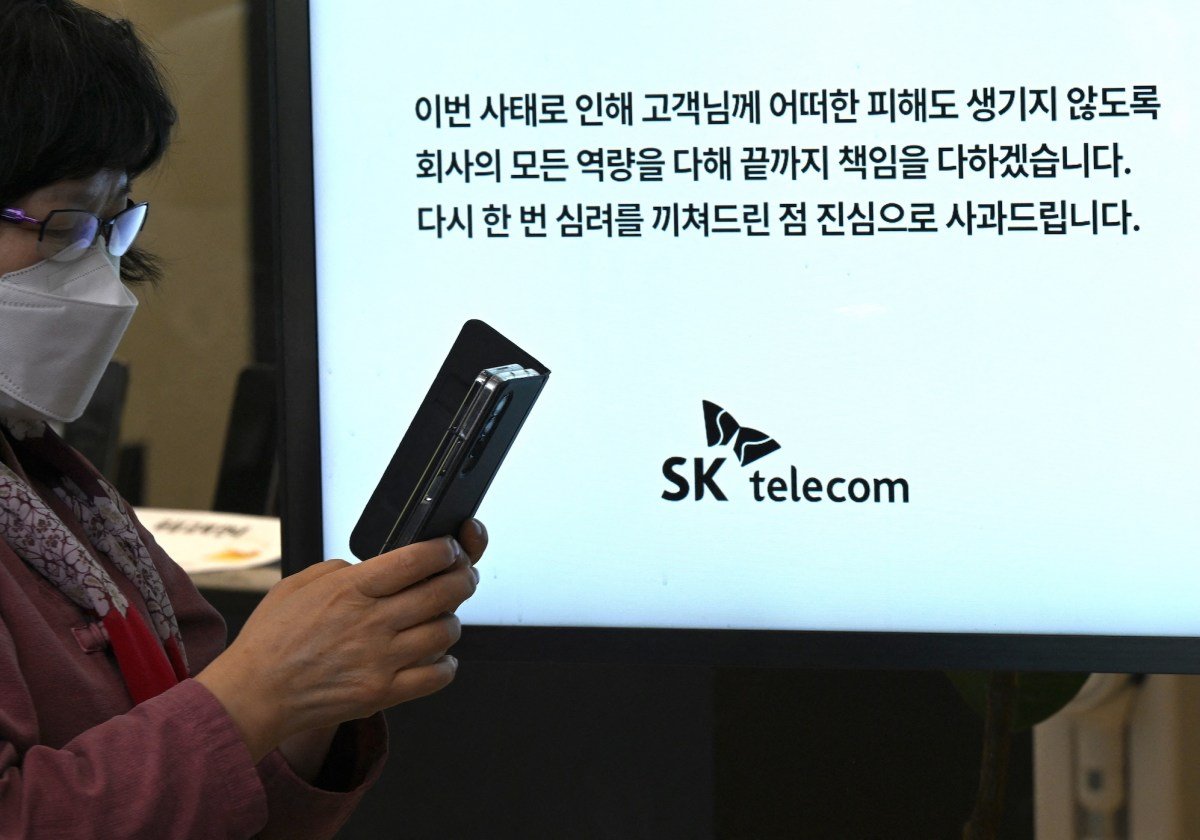
- In April, South Korea’s telecom big SK Telecom was hit by a major cyberattack. Hackers stole the private information of about 23 million clients — almost half the nation’s inhabitants. A lot of the aftermath of the cyberattack lasted by Could, during which tens of millions of shoppers had been provided a brand new SIM card following the breach.
June 2025
- Yes24, South Korea’s on-line ticketing and retail platform, was hit by a ransomware attack on June 9, which knocked its providers offline. The disruption lasted for about 4 days, with the corporate again on-line by mid-June.
July 2025
- In July, the North Korea-linked Kimsuky group launched a cyberattack on South Korean organizations, including a defense-related institution, this time utilizing AI-generated deepfake photographs.
- A North Korea-backed hacking group, Kimsuky, used AI-generated deepfake photographs in a July spear-phishing try towards a South Korean navy group, according to Genians Security Center. The group has additionally focused different South Korean establishments.
- Seoul Assure Insurance coverage (SGI), a Korean monetary establishment, was hit by a ransomware attack around July 14, which disrupted its core methods. The incident knocked key providers offline, together with the issuing and verification of ensures, leaving clients in limbo.
August 2025
- Yes24 faced a second ransomware attack in August 2025, which took its web site and providers offline for a number of hours.
- Hackers broke into South Korean monetary providers firm Lotte Card, which points credit score and debit playing cards, between July 22 and August. The breach uncovered round 200GB of information and is believed to have affected roughly 3 million customers. The breach remained unnoticed for about 17 days, till the corporate found it on August 31.
- Welcome Monetary: In August 2025, Welrix F&I, a lending arm of Welcome Monetary Group, was hit by a ransomware attack. A Russian-linked hacking group claimed it stole over a terabyte of inner information, together with delicate buyer information, and even leaked samples on the darkish internet.
- North Korea-linked hackers, believed to be the Kimsuky group, have been spying on overseas embassies in South Korea for months by disguising their assaults as routine diplomatic emails. In accordance with Trellix, the marketing campaign has been lively since March and has targeted at least 19 embassies and foreign ministries in South Korea.
September 2025
- KT, certainly one of South Korea’s largest telecom operators, has reported a cyber breach that uncovered subscriber information from greater than 5,500 clients. The assault was linked to unlawful “faux base stations” that tapped into KT’s community, enabling hackers to intercept cellular site visitors, steal info like IMSI, IMEI, and cellphone numbers, and even make unauthorized micro-payments.
In gentle of the latest surge in hacking incidents, the South Korean Presidential Workplace’s Nationwide Safety is stepping in to tighten defenses, pushing for a cross-ministerial effort that brings multiple agencies together in a coordinated, whole-of-government response.
In September 2025, the Nationwide Safety Workplace introduced that it will implement “comprehensive” cyber measures by an interagency plan, led by the South Korean president’s workplace. Regulators additionally signaled a authorized change giving the federal government energy to launch probes at the first sign of hacking — even if companies haven’t filed a report. Each steps purpose to deal with the shortage of a primary responder that has lengthy hindered South Korea’s cyber defenses.
However South Korea’s fragmented system leaves accountability weak, inserting all authority in a presidential “management tower” may threat “politicization” and overreach, in line with Pak.
A greater path could also be stability: a central physique to set technique and coordinate crises, paired with unbiased oversight to maintain energy in verify. In a hybrid mannequin, knowledgeable businesses like KISA would nonetheless deal with the technical work — simply with extra simple guidelines and accountability, Pak instructed TechCrunch.
When reached for remark, a spokesperson for the South Korea’s Ministry of Science in ICT stated the ministry, with KISA and different related businesses, is “dedicated to addressing more and more subtle and superior cyber threats.”
“We proceed to work diligently to reduce potential hurt to Korean companies and most of the people,” the spokesperson added.
This text was initially revealed on September 30.
Trending Merchandise







![Rustic Grey Mason Jar Sconces for Home Decor, Decorative Chic Hanging Wall Decor Mason Jars with LED Strip Lights, 6-Hour Timer, Silk Hydrangea, & Iron Hooks for Home & Kitchen Decorations [Set of 2]](https://m.media-amazon.com/images/I/41DPf4UgGOL._SS300_.jpg)
